Once rooted in permanence and cultural significance, the term “soft boy” has been diluted into a buzzword tossed around by self-proclaimed fashion experts on TikTok. Originally, it described men who rejected overt masculinity in favour of emotional depth and aesthetic sensitivity. They’d trade video games for On Earth We’re Briefly Gorgeous by Ocean Vuong, sip matcha over coffee, take public transport out of climate concern, and wear clothes with delicate patterns, soft colours, and unusual collars — because traditional menswear felt dull.
But today, dressing like a soft boy is effortless: search “Soft Boy Aesthetic” on TikTok, throw on something vaguely preppy, look wistful on Instagram, and you’re halfway there. The aesthetic has been flattened into a trend — detached from the substance and vulnerability it once suggested. Yet if anyone has ever given this look real dimension, it was Jonathan Anderson. At Loewe, he challenged traditional masculinity with a sense of poetic dissonance that many would agree was clever, emotional, if not quietly radical.
Now at Dior, his debut Summer 2026 men’s collection revisits Anderson’s same romantic language, filtered through the Maison’s codes. This collection marks a deliberate pivot from Kim Jones’s tenure, which was defined by a polished fusion of streetwear and heritage tailoring. Jones often infused Dior Men with hip-hop references and urban energy, blending them effortlessly with traditional French elegance. The mood under Jones was fast-paced and youthful, with runway shows that felt like cultural events attended by thousands — grand spectacles charged with energy and movement.
Anderson’s vision for Dior, however, signals a significant shift. The Dior Summer 2026 men’s collection embraces romanticism and subtle complexity, favouring mood, texture, and atmosphere over the overt pop factor. The tailoring evolves into softer, more fluid silhouettes that emphasise draping and delicate detailing, evoking a languid femininity that contrasts sharply with the sharper, more athletic cuts favoured by Jones. Rather than the confident, kinetic energy of the previous Dior Men, Anderson’s debut unfolds with a quieter, more intimate rhythm, inviting reflection and emotional engagement over spectacle.


The opening look — a men’s Bar Jacket — is a clear nod to Dior’s recent history and recalls Jones’s Fall Winter 2022 iteration. Yet Anderson’s take diverges in tone and intention. Where Jones opted for a conservative approach designed not to unsettle traditional notions of masculinity, Anderson’s version feels softer and more exploratory. Relaxed lines and unexpected details, like skirt-like pants with flouncy side drapes, infuse the silhouette with playful femininity that gently disrupts expectations. This restrained approach reveals an ongoing tension within the collection: Anderson’s desire to imprint his poetic, boundary-pushing vision while respecting Dior’s revered legacy and inherent codes of elegance.
Material and colour further underscore this shift. Jones favoured bold contrasts — athletic blacks and whites, vivid accents — and relied heavily on technical fabrics that conveyed performance and precision. Anderson, by contrast, leans into a muted palette of pastels and soft neutrals, creating a dreamlike, surreal atmosphere that captures a distinct “soft boy” sensibility. He layers historical references — Elizabethan collars, ruffled detailing — over everyday staples like the peacoat and jeans, crafting a whimsical yet grounded aesthetic that echoes the playfulness that once swept him through the British Fashion Awards.
The Dior Summer 2026 men’s collection features feminine silk blends, chiffons, and soft knits — a far cry from the functional, high-performance materials of seasons past. This shift from utility to intimacy reflects Anderson’s continued commitment to reframing masculinity through tenderness and emotion. But in doing so, does the collection risk feeling insular? For all its subtlety, will it connect with the broader audience that once found confidence in Dior’s streetwear-led edge? Or does Anderson intend to shed that dynamic entirely in favour of something slower, more internal?
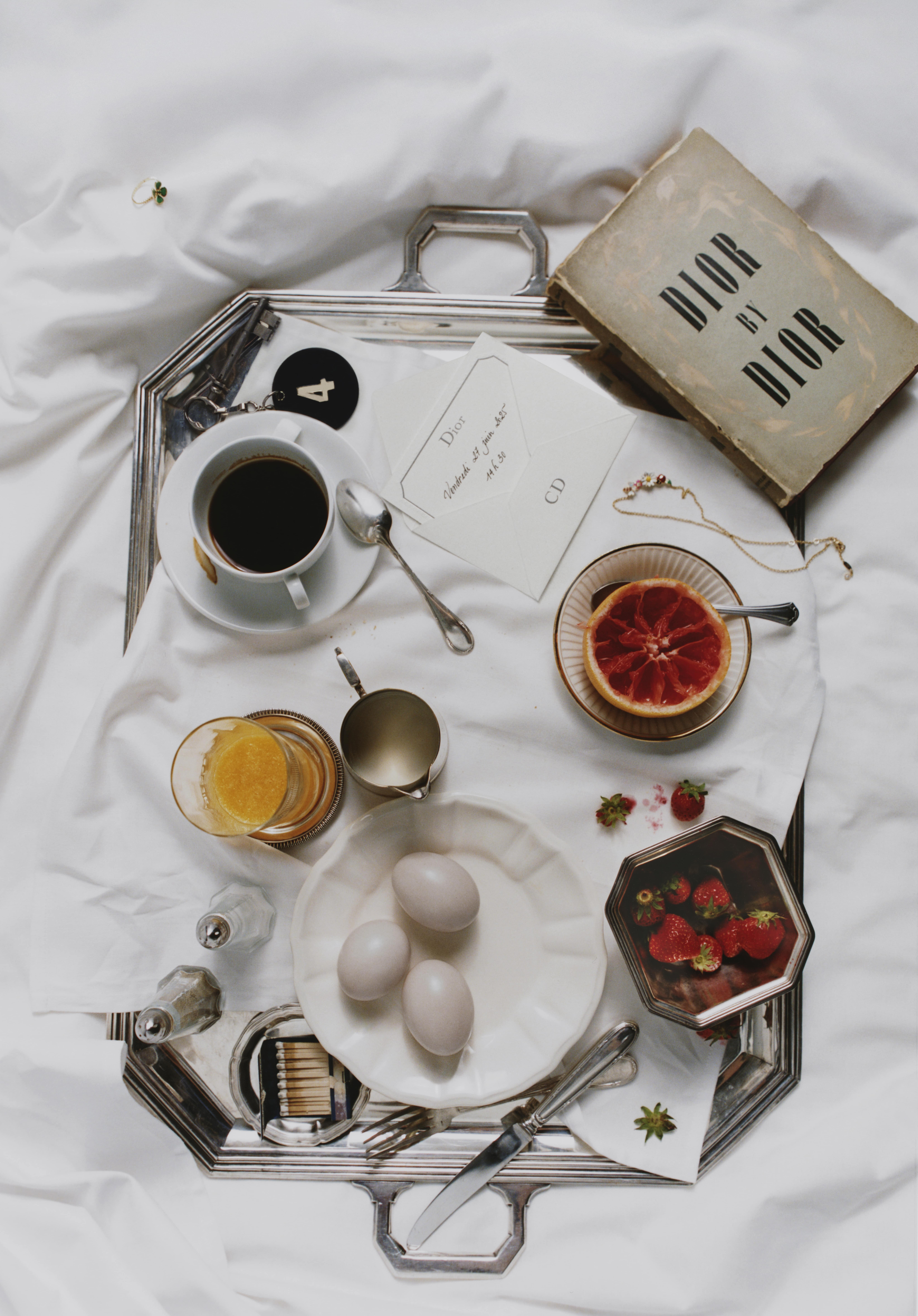
Critics online have started dubbing it “Loewe at Dior,” and not without reason. The surreal teaser—trays of eggs as show invites—suggested something eccentric, maybe even disruptive. But what arrived felt unexpectedly muted. Dior’s inherent polish seemed to smooth over Anderson’s usual edge. Yes, it was beautiful — a graceful blend of his wit and the Maison’s romanticism, complete with Loewe’s soft boys now dressed in Dior. But for a designer celebrated for pushing boundaries with a razor-sharp wit that has kept us on our toes, some may see the collection as more curated than courageous.

Still, there’s something to be said for patience. Change, especially within a house as storied as Dior, rarely arrives all at once. This felt less like a grand statement and more like a prelude, a laying of seeds in soil that requires time to take root. And if this was merely the opening act, there’s every reason to believe that in seasons to come, Anderson will reshape Dior not by imitation, but by invention — a quiet introduction to a new language that Anderson will fully articulate in collections to come. Because, of all the recent directorial debuts, his at Dior might be the only one that, in hindsight, makes the most sense.
Once you are done with this story, click here to catch up with our June/July 2025 issue.