We are yearning for a taste we can no longer acquire. If you grew up in Singapore, the hawker centre is a place most people view as being as vital as a local library or community park — deeply embedded into our lives, quietly unassuming, and above all, an unsung landmark of the country’s heartlands. As a child and teenager, I spent a lot of time at hawker centres.
I remember the smell of Epok Epok [curry-stuffed fried dough parcels] my parents would buy en route to visiting my late grandmother, who lived just a street away. I was not a bright student in school, so when I flunked my exams, my mum would give me a stern lecture, but then she would still bring me out to eat a bowl of Kacang Pool [spiced bean stew with minced meat] and Cheng Tng [a sweet, light dessert broth] at the Bedok Food Centre, which I had always fondly referred to as Bedok Corner.
My dad used to pass me $2 notes and send me to the drink stall uncle on my own as a way of helping me socialise. As an introvert, I was terrified of interacting with people. By all accounts, the loud, crockery-clacking, haphazard energy of the hawker centre felt absolutely intimidating. But I gradually grew accustomed to it all because, ultimately, those were the sounds of home. It would feel uncanny if we did not hear them.
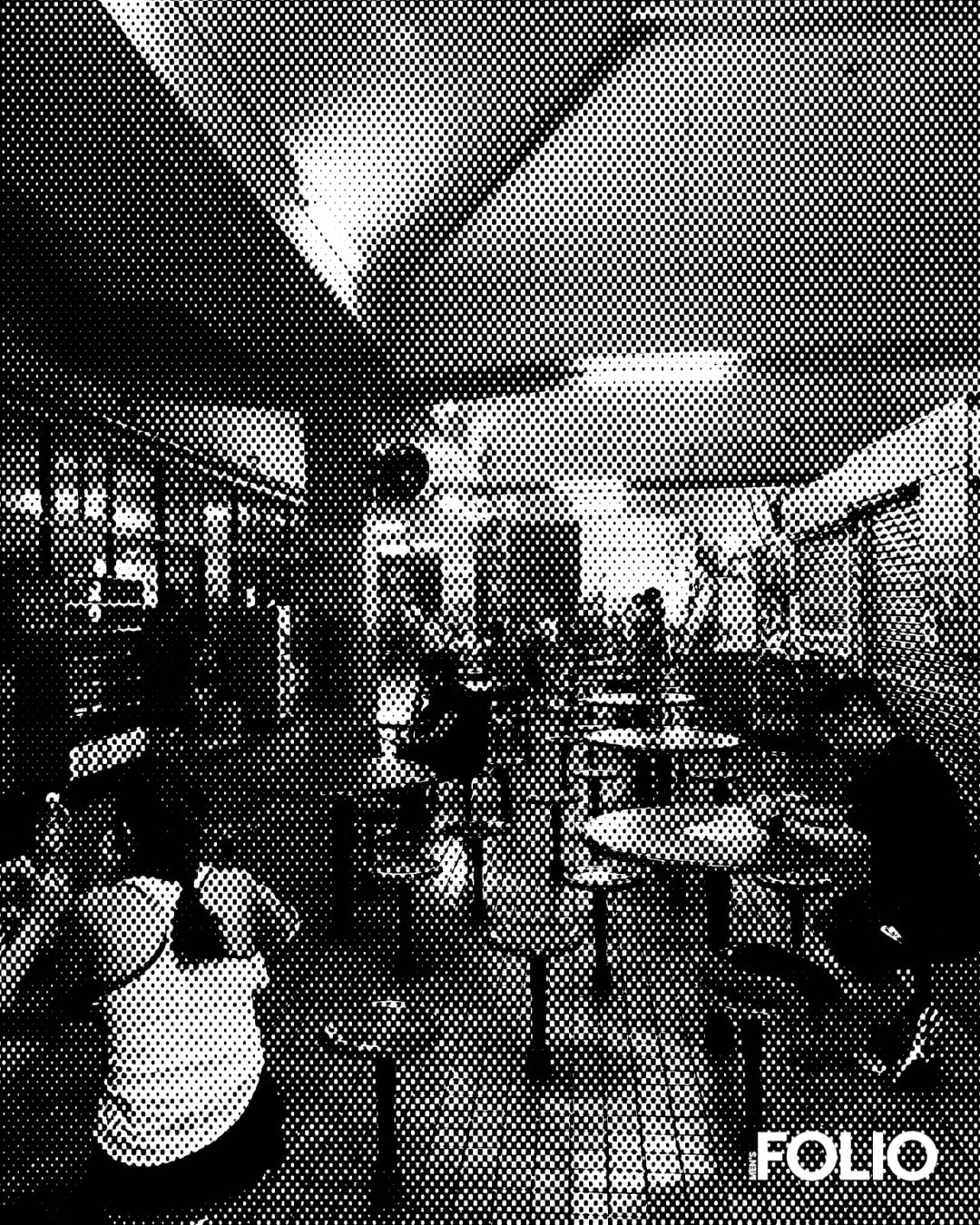 The same goes for smell. I went on a date once and sat down to a Thai steamboat meal at the Pasir Ris Central Hawker Centre. It was a nightmare. I hated every second of it. The spluttering oily broth stained my heart just as it ruined my white shirt. I did not eat it again for months afterwards. But somehow, the fragrant aroma of the bubbling broth and grilled meat washed over all the resentment I felt at the time.
When was the last time you had a meal and savoured not just the food, but the event in which it took place? You do not immediately canonise every memorable thing that happens to you, but when you do, and the more that you do, you remember the fragments that shape these memories.
There was one occasion when I was sipping on a cup of soyabean milk my parents had picked up from the hawker centre earlier, along with my favourite Youtiao [a long golden-brown deep-fried strip of wheat flour dough]. All this time, I had been lounging in my dad’s childhood bedroom, sifting through my late grandmother’s stamp collection (I miss her, very dearly). And that was when I saw a black apparition floating next to a giant Radiohead sticker he had pasted on his closet door in his youth. I had just started on the Youtiao, but I dropped everything and ran out of the house barefoot.
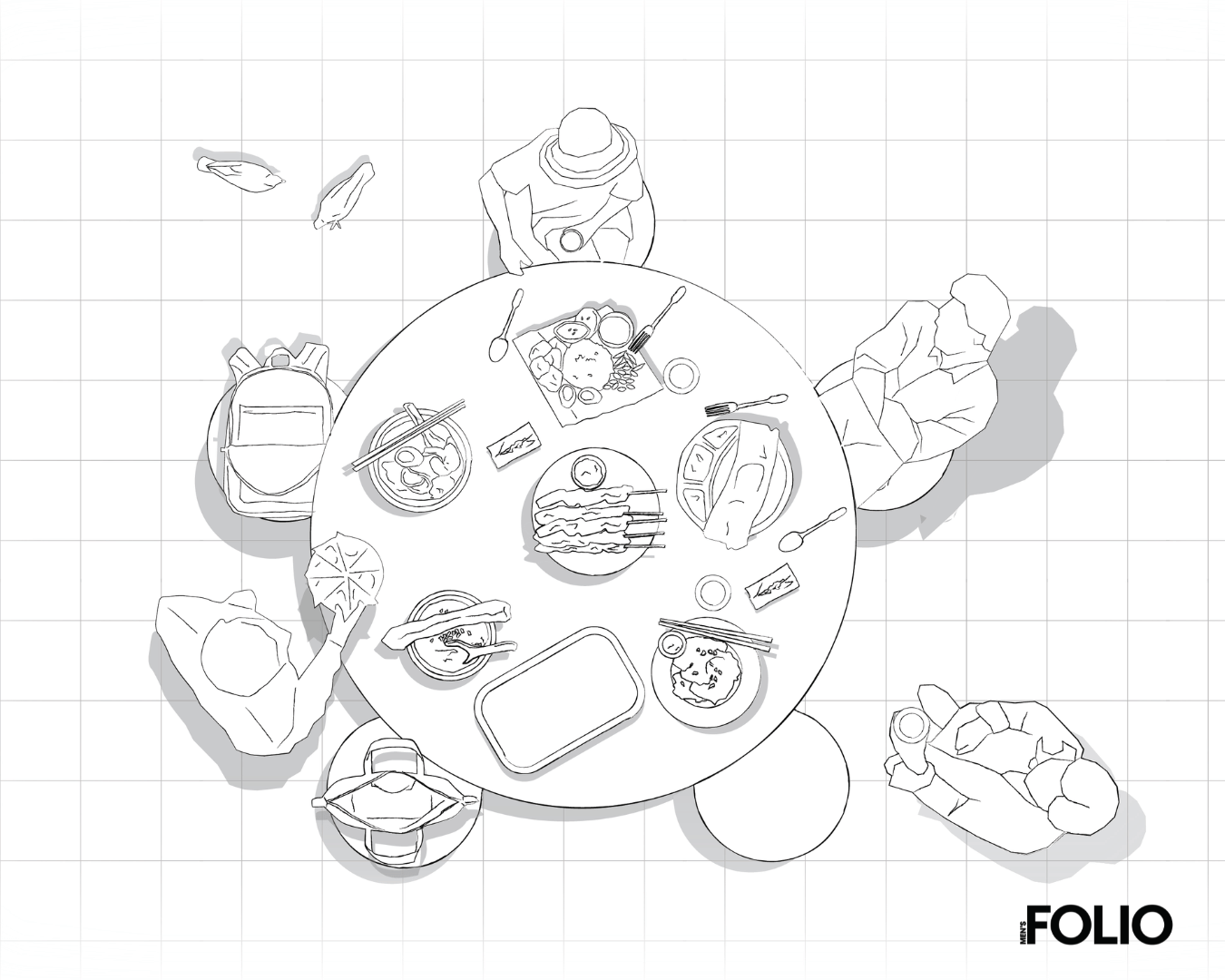 It comes down to this: in every core memory of my life — pain, pleasure, and everything in between — the hawker centre had played a part. I am who I am because of the memories associated with this space. But I do not want to personify it too much because, well, it becomes an emotional vessel that bounces back the energy you give it. It can be anything: a heartbreak, a marriage proposal, a casual dinner with classmates, or simply the necessity of feeding yourself.
And yet, when I try to trace these memories back to something concrete, they slip. I tried to remember which exact stall I bought it from, but could not. That is the problem with these places. We take them for granted. I recall the feeling of walking down the corridor just outside my late grandmother’s flat, letting the heat dissipate into my hand through the red plastic bag. The journey continues, yet I do not know where the starting point was. Does the stall even exist any more? Or did it get replaced by something else?
I am now standing at the entrance of the hawker centre, and I have already lost my sense of direction. I do not know where everything is any more. It is all variable. Speculative. I am still on the quest for that Youtiao. And I am not giving up until I find it.
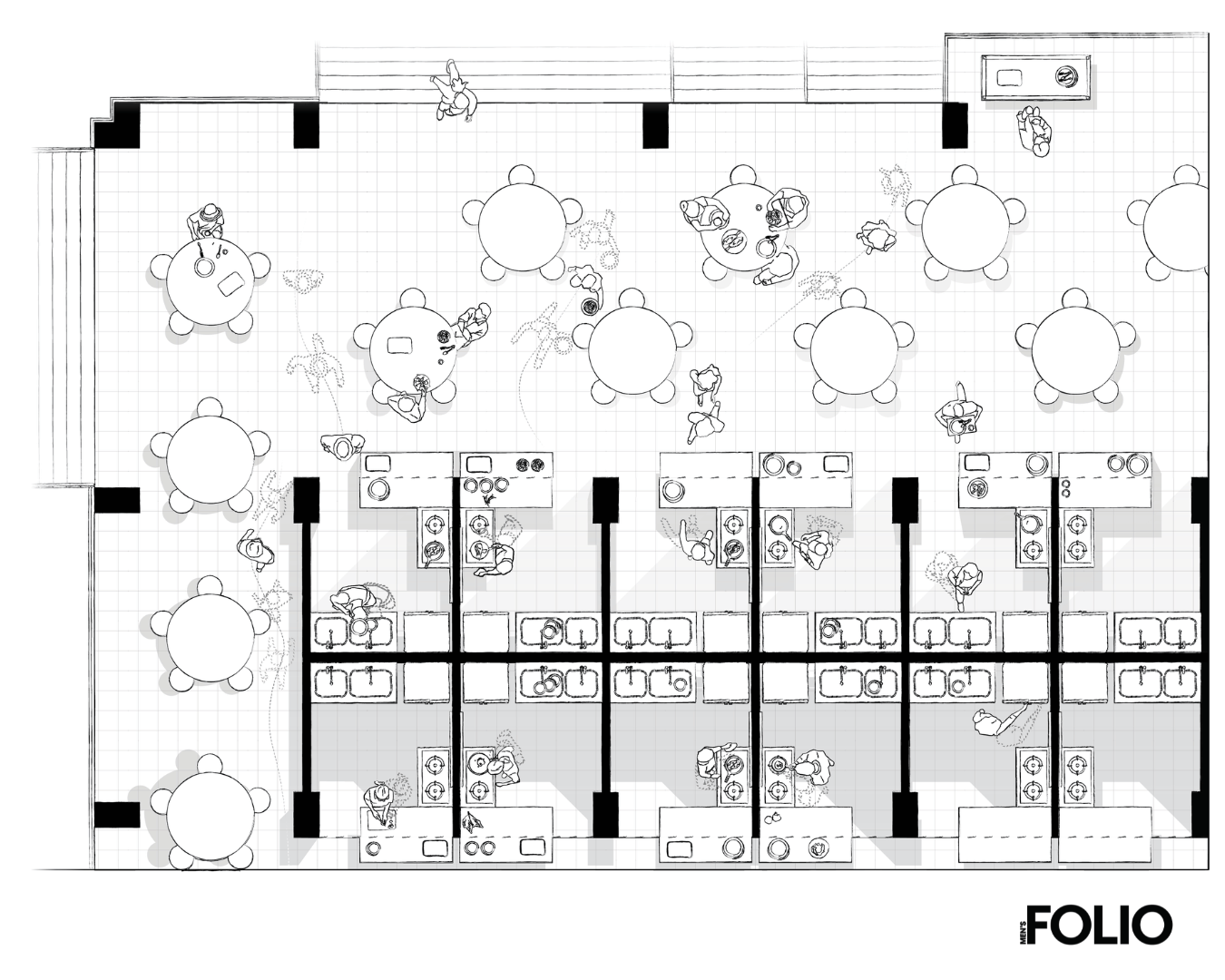
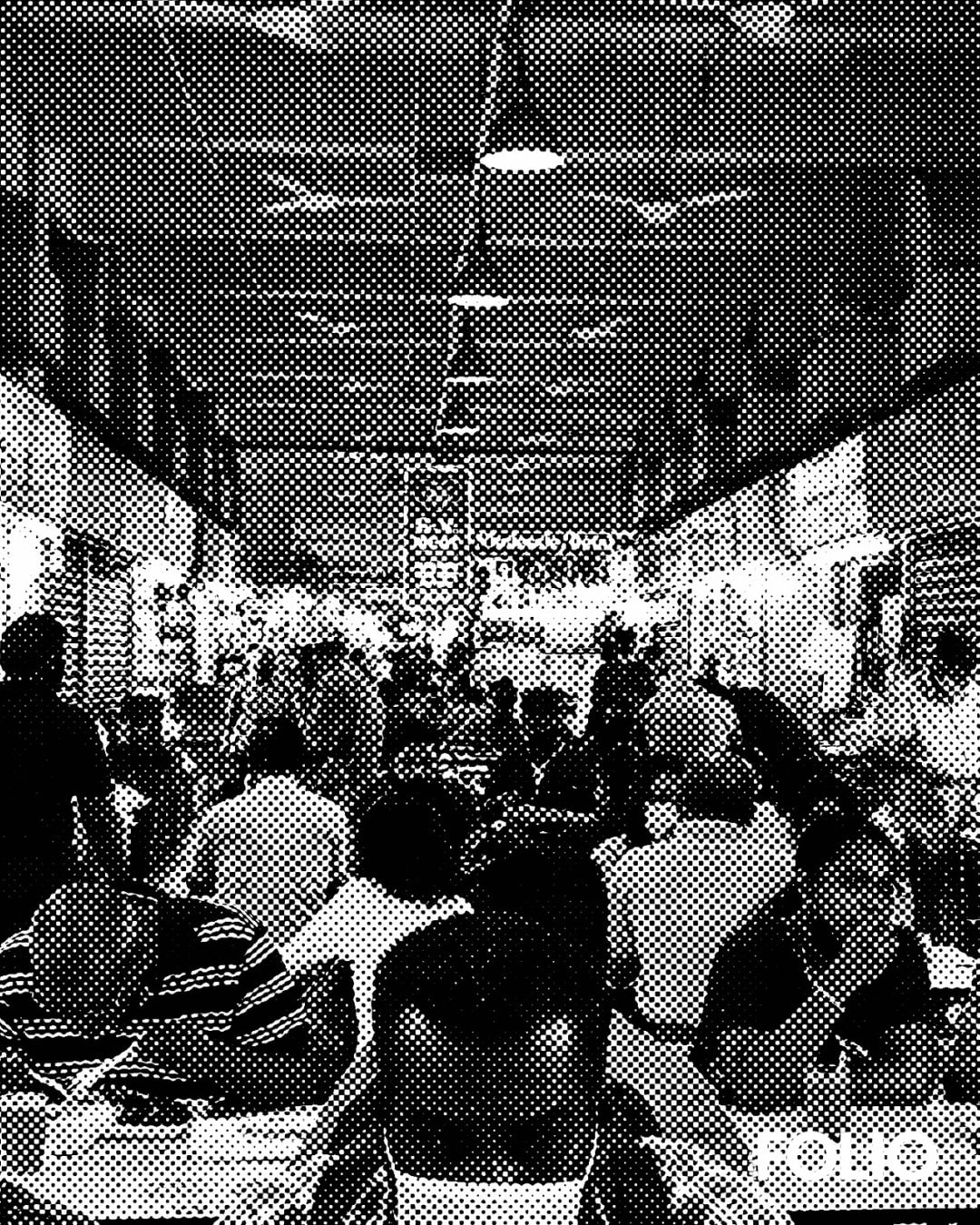 Everyone does the ritual. You place a packet of tissue paper on an empty table. Leave your expensive belongings behind. Queue up in a line. Anxiously pace yourself and decide what to order. I think I recognise the uncle behind the counter. He does not remember me. Why would he? I am one of the thousands of faces he has seen over the last couple of decades since he set up shop here. At most, I am a brief delay. Someone who takes too long, who forgets to whip out the payment app in time, who holds up the queue. It is $1.20 a piece. Is this even the stall that I once patronised in my youth? I cling on to hope and receive the red plastic bag from the uncle.
It feels right. The weight of it, the same heat pressing through the thin layer of plastic into my palm. For a moment, I let myself believe that this is it. That I have found the exact place, the exact taste that was a slice of my childhood. I sat back down at the table. Around me, the same choreography unfolds. My experience is not unique. The sounds of water splashing in a wash basin. The smell of 鑊氣 [wok hei].
I open the bag, and its contents look correct. The golden brown hue. The subtle sheen of oil. I take a bite, slowly, as if being mindful of myself might bring back a new memory. But it does not arrive the way I expect it to. There is no sudden collapse of time, no seamless return. The taste exists today, at this very hour, at this very minute, detached from everything I had hung onto it. It tastes amazing. But nothing exactly like my childhood.
Back then, there was no comparison to make. I was not measuring the taste against anything; rather, it simply arrived and became part of the moment. The food was not an object of reflection but part of the background of living. Now, I arrive with the memory pre-installed, and the current present is forced to compete with it. What I am really tasting is not the difference in food, but the difference in how I am able to receive it.
Then, I realised that nothing failed me, either. Not the stall, not the uncle, definitely not the food. It remained exactly as it needed to be. My memory insists on something more, trying to complete a puzzle piece that no longer exists. Memories do not function as exact recordings but rather reconstructions of past events. The difference between memory and a Super 8 film is that one preserves emotion, the other everything else. Unfortunately, or fortunately, emotions overrule all and fill in the gaps using our pre-rendered expectations and biases.
 I finished the food. Not because it is the same, but because it is not. It becomes another memory for maybe 10 more years down the road when I return again and try to make another approximation. Eventually, everyone chooses to stand on a trapdoor that opens up to a dark, freefalling pit that is nostalgia. But why?
Continuity. It reassures us that our past and present belong to the same person. We choose to do so because even if it distorts our memories, it anchors us to the coherence of the self. Despite the changes, the loss, and the time spent apart, we ultimately remain recognisably ourselves. That is the purpose of nostalgia.
What does any of this amount to in the end? I figured to myself that there was no use in chasing something that only ever existed in fragments. Around me, a tray is cleared before the next person takes a seat. A family talks loudly over a plate of Rojak [salad dish of vegetables, fruits, and sugar dressing]. Nothing pauses long enough for me to arrive at anything whole. It is a habit we humans have of circling back to something that no longer has a centre.
The beauty of this adventure was the imperfection. And maybe, that is what binds us to this place. Not the food itself, but the universal understanding that we are all doing the same thing together. Returning, misremembering, and trying again.
The hawker centre does not belong to any one person, yet it holds all of us in passing. We sit at the same tables, repeat the same rituals, inherit the same habits without ever being conscious that we had been taught them. Somewhere along the queue and the first bite, between what we think we remember and what is actually on the plate in front of us, a shared experience takes shape. Not exact, not fixed. But recognisable enough. Something distinctly ours. Something Singaporean.
Illustrations by Lee Chu Xin
Once you are done with this story, click here to catch up with our May 2026 issue.